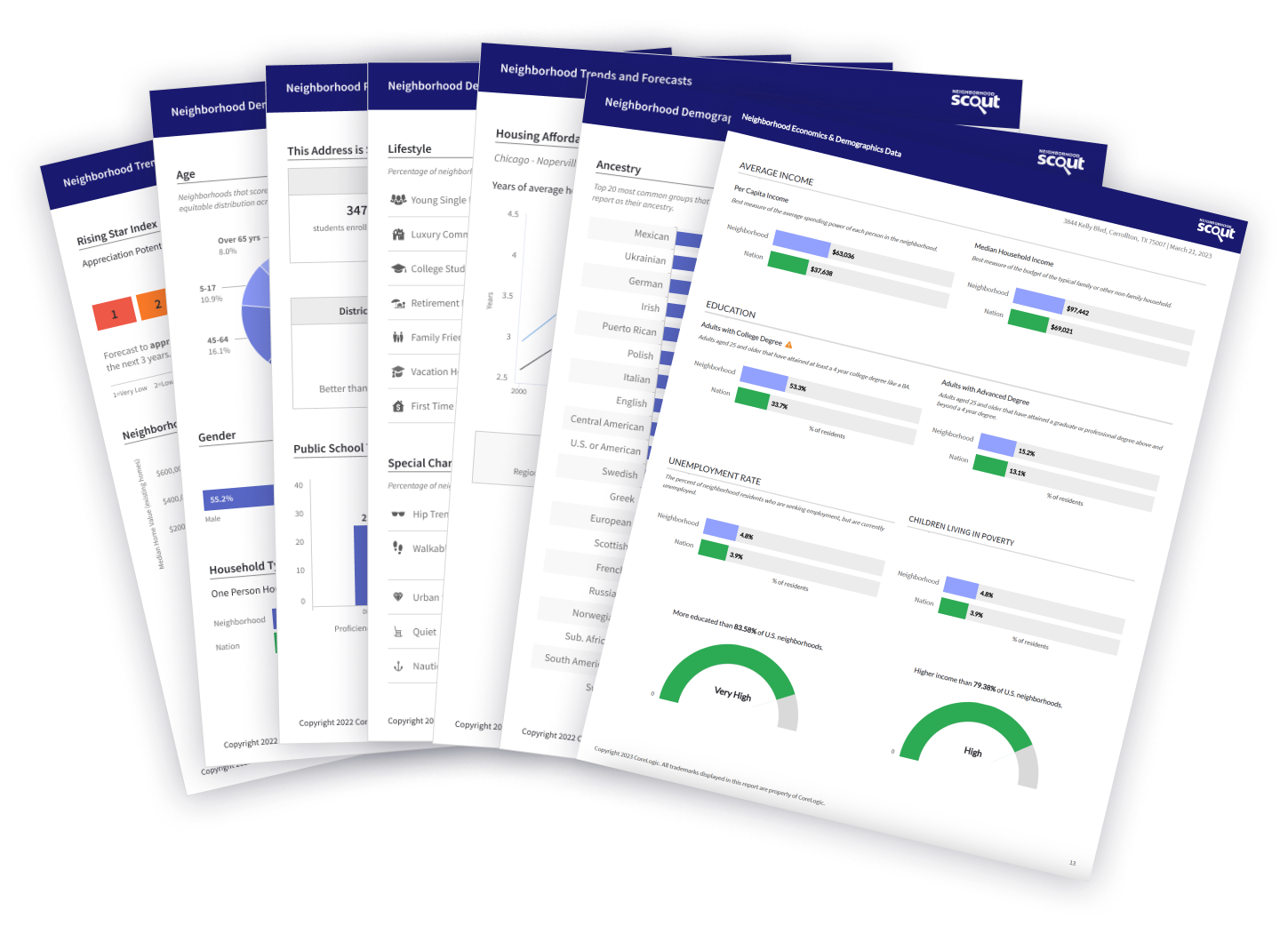
Troy is a tiny city located in the state of Montana. With a population of 911 people and just one neighborhood, Troy is the 103rd largest community in Montana.
Unlike some cities, Troy isn’t mainly white- or blue-collar. Instead, the most prevalent occupations for people in Troy are a mix of both white- and blue-collar jobs. Overall, Troy is a city of service providers, sales and office workers, and construction workers and builders. There are especially a lot of people living in Troy who work in food service (19.64%), office and administrative support (16.43%), and maintenance occupations (13.93%).
Residents will find that the city is relatively quiet. This is because it is not over-populated, and it has fewer college students, renters, and young children - all of whom can be noisy at times. So, if you're looking for a relatively peaceful place to live, Troy is worth considering.
Residents of the city have the good fortune of having one of the shortest daily commutes compared to the rest of the country. On average, they spend only 19.12 minutes getting to work every day.
Being a small city, Troy does not have a public transit system used by locals to get to and from work.
The citizens of Troy have a very low rate of college education: just 6.04% of people over 25 have a bachelor's degree or advanced degree, compared to a national average of 21.84% for all cities.
The per capita income in Troy in 2022 was $18,258, which is low income relative to Montana and the nation. This equates to an annual income of $73,032 for a family of four. However, Troy contains both very wealthy and poor people as well. Troy also has one of the higher rates of people living in poverty in the nation, with 39.77% of its population below the federal poverty line.
The people who call Troy home describe themselves as belonging to a variety of racial and ethnic groups. The greatest number of Troy residents report their race to be White, followed by Native Hawaiian. Important ancestries of people in Troy include German, Italian, Irish, Norwegian, and European.
The most common language spoken in Troy is English. Other important languages spoken here include Spanish and Polish.
Many things matter about a neighborhood, but the first thing most people notice is the way a neighborhood looks and its particular character. For example, one might notice whether the buildings all date from a certain time period or whether shop signs are in multiple languages. This particular neighborhood in Troy, the neighborhood, has some outstanding things about the way it looks and its way of life that are worth highlighting.
This neighborhood has wide open spaces, few people, and lots of space to stretch out. If you like locations that fit that description, you may like this neighborhood. Based on NeighborhoodScout's exclusive analysis, with only 3 people per square mile living here, this neighborhood is less crowded than 98.7% of America. One of the notable things about is that it is one of the quietest neighborhoods in America, according to NeighborhoodScout's exclusive analysis and quantitative rating of quietness. When you are here, you will find it to be very quiet. If quiet and peaceful are your cup of tea, you may have found a great place for you.
In addition, despite all of the residential real estate here in the neighborhood, NeighborhoodScout has discovered that much of it is vacant. In resort or second-home vacation areas, this naturally occurs because homes and apartments are seasonally occupied, and empty for a portion of the year. In non-vacation or resort areas, however, this can be an indicator of property abandonment or a weak real estate market. The vacancy rate here is 29.4%, which is higher than 95.2% of all U.S. neighborhoods.
Did you know that the neighborhood has more Scots-Irish and Norwegian ancestry people living in it than nearly any neighborhood in America? It's true! In fact, 5.5% of this neighborhood's residents have Scots-Irish ancestry and 9.6% have Norwegian ancestry.
How wealthy a neighborhood is, from very wealthy, to middle income, to low income is very formative with regard to the personality and character of a neighborhood. Equally important is the rate of people, particularly children, who live below the federal poverty line. In some wealthy gated communities, the areas immediately surrounding can have high rates of childhood poverty, which indicates other social issues. NeighborhoodScout's analysis reveals both aspects of income and poverty for this neighborhood.
The neighbors in the neighborhood in Troy are low income, making it among the lowest income neighborhoods in America. NeighborhoodScout's research shows that this neighborhood has an income lower than 93.1% of U.S. neighborhoods. With 41.9% of the children here below the federal poverty line, this neighborhood has a higher rate of childhood poverty than 90.7% of U.S. neighborhoods.
What we choose to do for a living reflects who we are. Each neighborhood has a different mix of occupations represented, and together these tell you about the neighborhood and help you understand if this neighborhood may fit your lifestyle.
In the neighborhood, 35.7% of the working population is employed in executive, management, and professional occupations. The second most important occupational group in this neighborhood is sales and service jobs, from major sales accounts, to working in fast food restaurants, with 27.0% of the residents employed. Other residents here are employed in manufacturing and laborer occupations (23.1%), and 10.8% in clerical, assistant, and tech support occupations.
The most common language spoken in the neighborhood is English, spoken by 96.2% of households. Some people also speak Spanish (3.5%).
Boston's Beacon Hill blue-blood streets, Brooklyn's Orthodox Jewish enclaves, Los Angeles' Persian neighborhoods. Each has its own culture derived primarily from the ancestries and culture of the residents who call these neighborhoods home. Likewise, each neighborhood in America has its own culture – some more unique than others – based on lifestyle, occupations, the types of households – and importantly – on the ethnicities and ancestries of the people who live in the neighborhood. Understanding where people came from, who their grandparents or great-grandparents were, can help you understand how a neighborhood is today.
In the neighborhood in Troy, MT, residents most commonly identify their ethnicity or ancestry as German (23.0%). There are also a number of people of Irish ancestry (13.9%), and residents who report English roots (11.6%), and some of the residents are also of Norwegian ancestry (9.6%), along with some Italian ancestry residents (6.4%), among others.
Even if your neighborhood is walkable, you may still have to drive to your place of work. Some neighborhoods are located where many can get to work in just a few minutes, while others are located such that most residents have a long and arduous commute. The greatest number of commuters in neighborhood spend under 15 minutes commuting one-way to work (39.1% of working residents), one of the shortest commutes across America.
Here most residents (69.3%) drive alone in a private automobile to get to work. In addition, quite a number also carpool with coworkers, friends, or neighbors to get to work (17.1%) . In a neighborhood like this, as in most of the nation, many residents find owning a car useful for getting to work.